
Section 94 contributions play a pivotal role in ensuring that new developments in NSW support the local infrastructure they rely on. For developers managing multi-stage projects, understanding how to structure these payment obligations is critical not only for compliance but also for maintaining healthy cash flow throughout construction. Each stage of a development can trigger different contribution requirements, making careful planning essential to avoid unexpected financial strain. Engaging experienced building cost consultants early in the process can provide clarity on how contributions are calculated, staged, and secured, helping to optimise project budgets. By aligning Section 94 payments with construction milestones and council requirements, developers can ensure that their projects progress smoothly while meeting statutory obligations.

Understanding Section 94 Contributions
Section 94 contributions are statutory developer levies in New South Wales designed to fund local infrastructure that is directly impacted by new developments. Understanding these obligations is critical for developers, as contributions ensure that roads, parks, drainage systems, and community facilities keep pace with urban growth. These levies are not optional and are calculated based on the development’s size, yield, and projected impact on local services.
Purpose of Section 94 Contributions
The main purpose of Section 94 contributions is to maintain a direct nexus between development activity and infrastructure funding. Councils rely on these contributions to provide essential facilities without placing the burden on existing residents. Contributions typically cover:
- Road upgrades and traffic management improvements
- Stormwater and drainage infrastructure
- Public open spaces, playgrounds, and community facilities
Each of these items must be directly related to the additional demand generated by the development. Councils cannot use Section 94 funds for unrelated projects or general council expenses.
Key Calculation Principles
Calculations consider the development yield, type of dwellings, and the stage of construction. Engaging building cost consultants can help developers accurately forecast contributions, plan cash flow, and ensure compliance with council requirements while maintaining project viability.
What Defines a Multi-Stage Development?
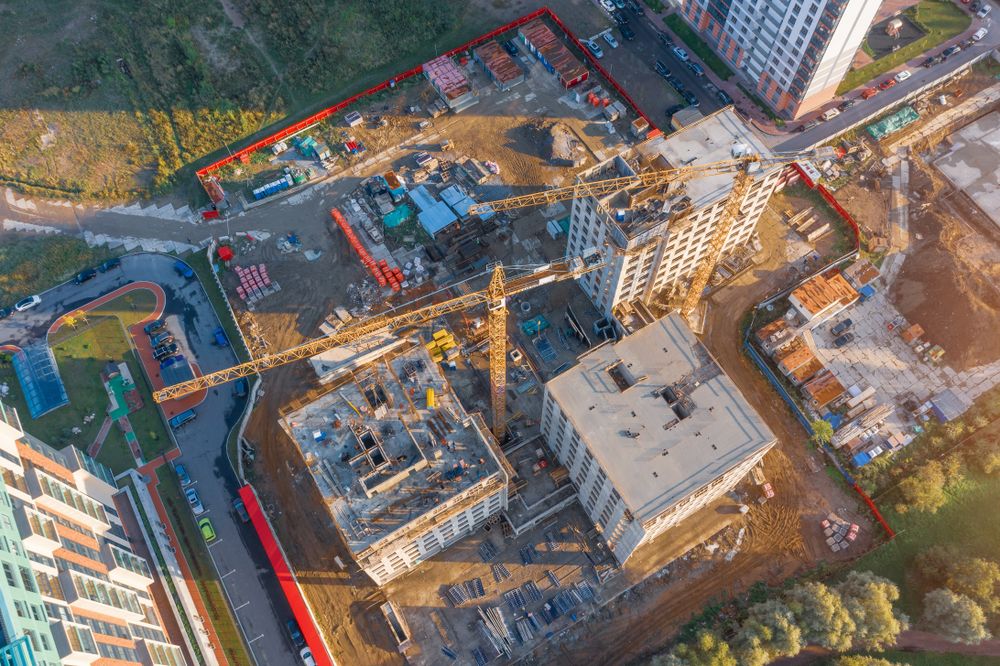
Multi-stage developments are projects constructed and delivered in sequential phases, rather than as a single, complete build. Understanding this structure is vital for developers, as Section 94 contribution obligations and cash flow management are closely linked to each stage of construction. Multi-stage projects are common in residential subdivisions, apartment complexes, and mixed-use developments, where each stage may have different infrastructure requirements and timelines.
Characteristics of Multi-Stage Projects
In a multi-stage development, each stage is often assessed separately for planning approval, construction, and occupancy. Councils calculate Section 94 contributions for individual stages based on the projected impact on local infrastructure, meaning early stages may have smaller levies while later stages reflect higher infrastructure demand.
Relevance to Section 94 Contributions
Multi-stage planning also influences guarantees and securities required by councils. By structuring developments in clear stages, developers and building cost consultants can model contributions accurately, forecast total obligations, and ensure that each phase meets statutory requirements while maintaining project momentum.
Payment Timing Strategies Across Development Stages
Strategically managing Section 94 contributions across multiple construction stages is essential for developers seeking to optimise cash flow while meeting council requirements. Payment timing directly affects project finances, as lump-sum contributions can place significant pressure on early-stage budgets. Aligning payments with construction milestones allows developers to manage obligations in a way that reflects the actual infrastructure demand of each stage.
Aligning Payments with Milestones
Councils generally allow staged payment schedules, which can be linked to specific development milestones. These may include the completion of subdivision works, issuance of building approvals, or the occupancy of individual units. By scheduling contributions according to these key events, developers can ensure that payments coincide with cash inflows from property sales or financing arrangements. This approach helps to maintain project liquidity while fulfilling statutory obligations.
Optimising Cash Flow
Effective cash flow management is critical in multi-stage developments. Staged payments allow smaller initial contributions, with higher payments deferred until later stages, reflecting the increased development yield and infrastructure impact. Engaging building cost consultants can assist developers in modelling these staged payments, evaluating scenarios such as delays, accelerated construction, or changes in development yield.
Practical Considerations
Developers may also negotiate flexible payment arrangements with councils to account for unforeseen changes in construction timelines or market conditions.
Careful planning of payment timing ensures that Section 94 obligations are met without compromising financial stability. By coordinating with councils and consulting experts, developers can achieve a balance between statutory compliance, infrastructure funding, and overall project viability.
How Staging Affects Contribution Calculations
Staging plays a significant role in determining Section 94 contributions for multi-stage developments. Each stage is assessed independently, meaning that contributions are calculated based on the infrastructure impact of that specific phase rather than the project as a whole.
Stage-Specific Calculations
Councils typically base calculations on metrics such as the number of lots, floor space, or dwellings being delivered in each stage. Early stages may attract lower contributions due to limited infrastructure use, while later stages often incur higher payments as development yield increases.
Modelling Total Contributions
Building cost consultants often assist developers in modelling total contributions across all stages. This process involves assessing incremental infrastructure demand, estimating future levies, and scenario planning for potential delays or changes in project scope.
By carefully considering staging in contribution calculations, developers can align financial planning with council requirements, optimise cash flow management, and maintain compliance.
Council Requirements for Payment Guarantees and Securities
Councils often require payment guarantees or securities to ensure that Section 94 contributions are fulfilled, particularly in multi-stage developments. These measures provide assurance that infrastructure funding obligations will be met, even if later stages are delayed or sold to other developers. Understanding these requirements is essential for developers to maintain compliance and avoid penalties during the development process.
Forms of Guarantees and Securities
Common forms of security include bank guarantees, bonds, or staged agreements that outline payment obligations for each phase of construction. Councils may stipulate the timing and value of these securities, often requiring them to be lodged before construction begins or prior to the release of occupation certificates.
Practical Considerations for Developers
Engaging building cost consultants early in the planning process can help developers navigate these requirements effectively. Consultants can model contribution amounts per stage, coordinate with councils on acceptable forms of security, and ensure that guarantees align with project cash flow.
- For example, a staged agreement might allow partial contributions to be secured initially, with the balance guaranteed upon commencement of later stages.
By proactively addressing council requirements for guarantees and securities, developers can protect project viability, maintain investor confidence, and ensure that Section 94 contributions are properly managed throughout the development lifecycle.hen negotiating with councils or presenting evidence to tribunals.
Role of Quantity Surveyors in Structuring Section 94 Obligations
Quantity surveyors play a pivotal role in ensuring that Section 94 contributions are accurately calculated and strategically managed across multi-stage developments. Their expertise enables developers to model contributions, optimise cash flow, and maintain compliance with council requirements throughout the construction process.
Financial Planning and Modelling
Surveyors assess the financial impact of staged contributions, forecasting payments for each development phase. By analysing variables such as lot yield, floor space, and infrastructure demand, they can identify potential cash flow pressures and recommend timing strategies that align with project milestones.
Council Liaison and Compliance
In addition to modelling contributions, quantity surveyors liaise with councils to clarify payment schedules, guarantees, and securities. Their involvement ensures that all statutory obligations are met efficiently, reducing the risk of delays or penalties.
By integrating their technical and financial expertise, building cost consultants and quantity surveyors help developers maintain project viability, meet Section 94 obligations, and support the successful delivery of multi-stage developments.
Do You Need a Building Quantity Surveyor?
Effectively structuring Section 94 contributions in multi-stage developments ensures compliance, optimises cash flow, and supports project viability. By leveraging staged payment strategies, accurate contribution modelling, and guidance from building cost consultants, developers can manage obligations efficiently while meeting council requirements, protecting investment, and delivering successful multi-stage construction projects.
Frequently Asked Questions (FAQ)
What is a multi-stage development?
A multi-stage development is constructed in sequential phases, with each stage assessed independently for Section 94 contributions, infrastructure impact, and council compliance.
How are Section 94 contributions calculated for staged developments?
Contributions are calculated per stage based on development yield, including the number of dwellings, lot sizes, or floor area, reflecting the incremental demand on local infrastructure.
Can developers negotiate staged payment schedules?
Yes. Councils often allow milestone-linked payments, enabling contributions to align with construction progress and improving cash flow management for developers.
What guarantees or securities are required for staged projects?
Councils typically require bank guarantees, bonds, or staged agreements to secure contributions, ensuring infrastructure obligations are met even if later stages are delayed or sold.
How can building cost consultants assist with Section 94 obligations?
Consultants and quantity surveyors model staged contributions, advise on payment timing, liaise with councils, and ensure compliance while optimising project cash flow.